Expert Tips for Writing Your Next Yellow Letter + 9 Customizable Templates
Yellow letters are handwritten prospecting letters commonly used in real estate investing to generate leads. Typically written on yellow legal pads, they possess an informal appearance that piques recipients' curiosity. The main objective is establishing a communication channel with motivated sellers rather than securing immediate sales.
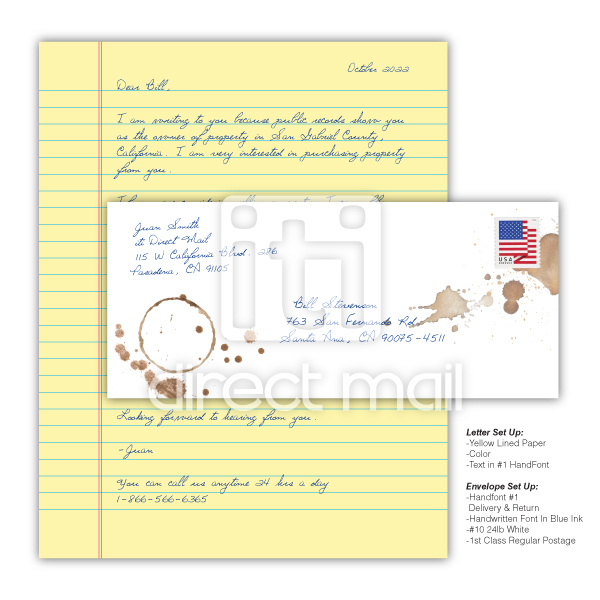
The significance of yellow letters in real estate lead generation cannot be overstated. They tend to achieve higher response rates than standard direct mail campaigns due to their personal touch and the psychological impact of a handwritten note. Although they may be more expensive, the increased open rates justify the cost.
This article will explore:
The power of yellow letters in real estate prospecting
Nine tips for crafting compelling yellow letters that get responses
Nine versatile yellow letter templates you can use right away
Understanding these strategies and utilizing the provided templates can enhance your prospecting efforts and help you connect more effectively with potential sellers.
The Power of Yellow Letters in Real Estate Prospecting
Yellow letters consistently outperform other methods in terms of response rates. Their success stems from their unique ability to mimic informal communication, making them stand out in a pile of standard mail. This personal touch fosters curiosity and increases the likelihood that recipients will open and read the letter.
Psychological Impact of Handwritten Letters
Handwritten letters carry a psychological weight that printed materials can't match. The act of handwriting suggests effort and personalization, which can make potential sellers feel valued and acknowledged. When homeowners receive a handwritten note, it evokes a sense of nostalgia and personal connection, drawing them into the message more effectively than impersonal printed letters.
Establishing Trust and Rapport
Trust is crucial in real estate transactions, especially for motivated sellers who might be dealing with stressful situations like foreclosure or divorce. Yellow letters help establish this trust by:
Showing authenticity: The informal appearance of a yellow letter feels genuine and less like a mass marketing attempt.
Creating rapport: Personalized touches such as addressing recipients by name build an immediate connection.
Offering solutions: By addressing specific pain points, these letters provide reassurance that you understand their situation and are there to help.
The combination of these elements not only captures attention but also builds a foundation for open communication. This makes it easier for potential sellers to reach out and engage with you, setting the stage for successful real estate prospecting.
9 Tips for Crafting Compelling Yellow Letters That Get Responses
1. Personalize Your Letters for Maximum Impact
Personalization is crucial for creating yellow letters that stand out and feel genuine. Addressing your recipients by name and including other personal touches can significantly increase the effectiveness of your letters.
Benefits of Personalization:
Builds Trust: Handwritten names and details show recipients you’ve taken the time to learn about them, fostering a sense of trust.
Increases Engagement: Personalized letters are more likely to be read entirely and elicit a response compared to generic ones.
Enhances Relevance: Tailored messages resonate more with recipients’ specific situations, making them feel understood and valued.
Strategies for Effective Personalization:
Use Recipient Names: Always address the recipient by their first name. This small touch can make a big difference in how the letter is received.
Mention Specific Details: Include relevant details about their property or situation. For instance, referencing recent listings in their neighborhood or noting any unique features of their home can add authenticity.
Segment Your Audience: Group recipients based on shared characteristics such as location, property type, or life events (e.g., recently married, facing foreclosure). This allows you to craft targeted messaging that addresses each group’s needs and concerns.
Group Recipients for Tailored Messaging:
Segmenting your mailing list ensures your messages are relevant and impactful. Here are some practical ways to group recipients:
Geographical Location: Customize letters based on neighborhoods or cities to address local market conditions.
Property Type: Differentiate between single-family homes, multi-family properties, or commercial real estate.
Life Events: Identify homeowners experiencing significant life changes such as divorce, inheritance, or retirement.
By effectively grouping recipients, you can craft messages that speak directly to their circumstances, increasing the likelihood of engagement.
Remember: The goal is concise writing without sacrificing personalization. Keep letters short—ideally one page—to maintain readability and ensure your message is clear and compelling.
A well-personalized yellow letter opens doors and starts meaningful conversations with potential sellers.
2. Use Attention-Grabbing Envelopes to Increase Open Rates
Envelope design captures recipients' attention and entices them to open your letter. A well-crafted envelope can distinguish between your yellow letter being read or discarded.
Consider these ideas for creating intrigue:
Handwritten addresses: Utilizing a handwritten address adds a personal touch and piques curiosity. Recipients are likelier to open an envelope that appears personally addressed to them.
Unique envelope styles: Opt for non-standard envelopes, like brightly colored or textured ones. These stand out in the mail pile and draw attention.
Stamps instead of metered mail: Using actual stamps rather than metered mail gives a more authentic and less commercial appearance.
Combining these elements with concise writing and personalized content enhances the impact of your message. Focusing on these tactics increases the likelihood that your thoughtfully crafted yellow letters will be opened and read.
3. Include a Clear Call to Action That Drives Responses
Every yellow letter should have a clear call to action (CTA) guiding recipients on what action you want them to take after reading your message. A well-crafted CTA ensures your letter isn't just read and elicits a response.
Effective CTAs are:
Concise: Keep it short and to the point.
Action-Oriented: Use verbs that encourage immediate action, such as "Call," "Text," or "Visit."
Specific: Clearly state what the recipient should do next.
A recommended structure for yellow letters involves up to three paragraphs, ensuring readability and brevity:
Introduction: Briefly introduce yourself and your purpose.
Main Message: Address the recipient's specific situation or pain points.
Conclusion with CTA: Summarize your offer and end with a strong, clear CTA.
Using simple language and personalization—such as addressing the recipient by name—enhances engagement. Tailor your messaging to resonate with the recipient's needs, increasing the likelihood of a positive response.
4. Test Different Versions of Your Letters for Optimal Results (Split Testing)
Conducting A/B tests on your yellow letters is crucial for identifying what resonates best with your target audience. By experimenting with different elements such as wording, formatting, or CTAs, you can fine-tune your approach for maximum impact.
Here are some key areas to focus on during your split testing:
Wording: Try variations in tone, language simplicity, and personalization.
Formatting: Experiment with the layout, font style, and letter length (ideally keeping it to one page).
CTAs: Test different calls to action to see which prompts more responses.
Concise writing and readability are key. Stick to a recommended structure of up to three paragraphs:
Introduction: Briefly introduce yourself.
Main Message: Address the recipient’s specific situation or pain point.
Call to Action: Clearly state what you want them to do next.
Simple language and formatting techniques, such as bullet points or bold text, enhance readability and ensure your message is easily digestible. Split testing these elements allows you to craft targeted messaging that captures attention and drives results.
5. Seek Professional Help When Needed: Marketing Companies vs DIY Approaches (Affordable Designs & High-Volume Campaigns)
When deciding between outsourcing letter creation and handling it in-house, several factors come into play:
Pros for Outsourcing to Marketing Companies
Professional Quality: Access to high-quality designs and templates.
Time-Saving: Frees up your time for other critical tasks.
Publish September 24, 2024


