Why Direct Mail Will Be a Game-Changer in 2025 Marketing Strategies
Why Direct Mail Will Be a Game-Changer in 2025 Marketing Strategies
Direct mail, a traditional method of making a comeback, offers unique benefits that digital advertising can't replicate. As we approach 2025, it's becoming increasingly clear that direct mail has the potential to be a game-changer. Marketers are rediscovering this method because it can cut through the noise of digital advertising and connect with audiences in a more personal and tangible way.
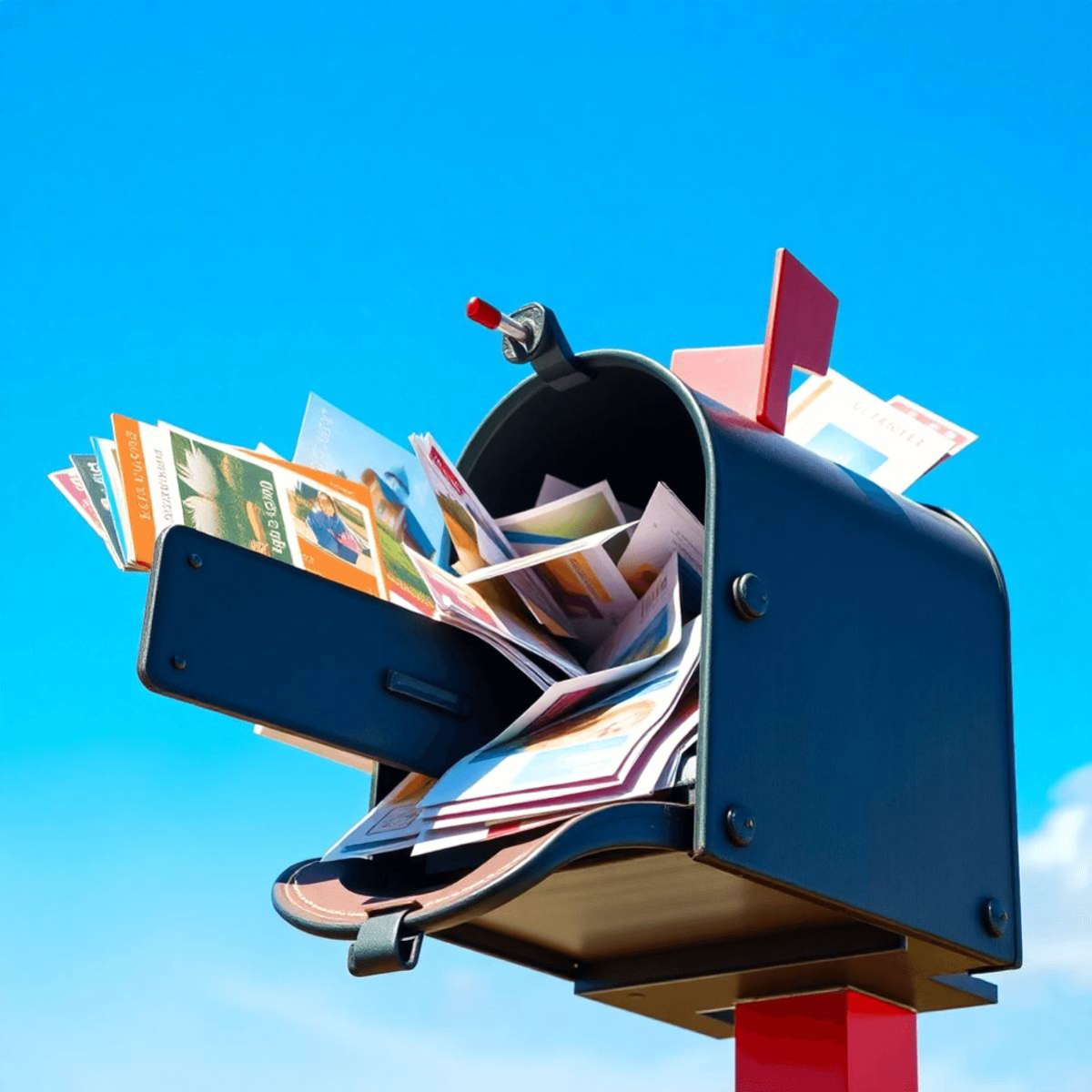
Why Direct Mail Will Be a Game-Changer in 2025 Marketing Strategies
The reasons why Direct Mail Will Be a Game-Changer in 2025 Marketing Strategies become apparent when considering its adaptability and effectiveness in reaching targeted demographics. Here are some key factors:
Adaptability: Direct mail's unique ability to be tailored to specific demographics makes it a practical and versatile tool for reaching different target audiences. This adaptability reassures marketers that direct mail can cater to their diverse marketing needs. Effectiveness: Studies have consistently shown that direct mail, with its higher response rate than other forms of advertising, such as email or online ads, is a confident choice for marketers. This effectiveness not only provides a strong foundation for marketing strategies but also instills confidence in the impact of direct mail.
Personalization: With technological advancements, direct mail can be highly personalized, empowering marketers to create campaigns that resonate with recipients individually. This personalization is a powerful tool in the hands of marketers, allowing them to connect with their audience in a more meaningful way. This article explores why direct mail is becoming more popular and how it will play a crucial role in marketing strategies in 2025 and beyond. This powerful tool allows marketers to find new ways to engage and convert customers, making their messages stand out in a crowded marketplace. As we approach 2025, the integration of advanced technology into direct mail strategies will continue to enhance its effectiveness and relevance.
The Current Landscape of Direct Mail Marketing
Direct mail is making a significant comeback in the marketing industry. Recent statistics show that marketers are increasingly investing in this channel. According to the Direct Marketing Association, direct mail has an impressive response rate of 5-9%, which is better than many digital alternatives. This growing popularity is a testament to its effectiveness and appeal to marketers looking for accurate results.
Why Marketers Are Turning to Direct Mail
Marketers see direct mail as a powerful tool for engaging with their audience. As consumers become tired of digital ads, traditional channels like direct mail offer a refreshing option. Many businesses realize its potential to stand out and deliver personalized messages to their customers' homes.
The Challenges Facing Digital Marketing
Digital marketing still plays a crucial role but faces challenges such as ad blockers and decreasing engagement rates. In contrast, direct mail provides a physical experience that digital formats can't replicate, making it more memorable. Direct mail offers a unique advantage over digital marketing, providing a tangible, physical experience that can't be blocked or ignored like digital ads. Marketers are now combining strategies, using both digital and direct mail to create integrated campaigns. This approach expands reach and strengthens brand presence across multiple platforms. By including direct mail as part of a larger strategy, businesses can take advantage of its unique benefits while staying flexible in today's fast-paced market.
How Technology Is Shaping Direct Mail Marketing
Advancements in technology are shaping the future of direct mail marketing. For example, digital full-bleed envelope printing allows for high-quality results with quick turnaround times and the ability to order smaller quantities.
Additionally, professional print and mail services are maximizing outreach by offering reliable online mailing services. These services include NCOA & list processing, which can greatly enhance campaign effectiveness by ensuring that mail reaches the proper recipients. These insights show how direct mail is finding its place in modern marketing strategies, opening the door to innovative uses in the near future.
Personalization: The Heart of Effective Direct Mail Campaigns
Personalization: The Heart of Effective Direct Mail Campaigns crafting a direct mail campaign that truly resonates with recipients requires personalization that speaks directly to their unique preferences and needs. The advent of variable data printing is revolutionizing this aspect by allowing marketers to create tailored messages on each piece of direct mail. This technology facilitates the customization of text, graphics, and images on individual mail pieces, transforming what could be a generic flyer into a personalized communication tool. Imagine receiving a digitally printed postcard that addresses you by name and references your recent purchases or interests—such specificity fosters a connection and empowers marketers to create campaigns that truly resonate with their audience. This level of personalization enhances engagement and drives meaningful interactions with consumers.
Audience targeting is another cornerstone of effective direct mail campaigns. By leveraging data on consumer behaviors and purchase history, marketers can segment their audience more precisely than ever. This segmentation allows for the delivery of content that aligns with the recipient's current needs or interests. For instance, a customer who recently purchased hiking gear might receive information on related products or upcoming outdoor events. Such targeted strategies maximize the impact of direct mail by ensuring that the message is relevant and timely.
Using these strategies, personalized direct mail campaigns strengthen brand loyalty and drive meaningful interactions with consumers. As marketing landscapes continue to evolve, embracing personalization will be key to remaining competitive and impactful. For instance, our expedited letter printing service ensures urgent communications are professionally printed and delivered promptly. At the same time, our EDDM solutions provide hassle-free direct mail with various size options to suit campaign needs. Moreover, our affordable postcard solutions offer digital printing and variable data options, allowing for complete personalization to fit marketing needs.
Integration of Digital Elements in Direct Mail Campaigns
Direct mail is evolving to keep pace with the digital age, and an exciting element of this transformation is the integration of QR codes. These codes effectively bridge the gap between physical and digital experiences, offering recipients a seamless way to engage further with a brand. Customers can be directed to personalized landing pages, promotional videos, or exclusive online offers by simply scanning a QR code on a direct mail piece. This dynamic Interaction enhances digital engagement and enriches the overall customer journey. In today's marketing landscape, multichannel marketing strategies have become indispensable. Consumers frequently interact with brands across various platforms—be it social media, email, or in-store experiences. Direct mail adds another layer to this multichannel approach by offering a tangible touchpoint that complements digital efforts. Marketers increasingly recognize the need for an integrated strategy that includes offline and online channels. This holistic approach ensures consistent messaging and maximizes reach. The combination of direct mail with digital elements makes it an important part of modern marketing strategies, and its role in a multichannel approach is crucial. As we look towards 2025, using these integrated approaches will likely make direct mail an even more powerful tool for engagement and conversion. With consumers expecting smooth transitions between channels, incorporating digital elements like QR codes into direct mail campaigns will undoubtedly play a key role in shaping future marketing landscapes.
Sustainability: A Key Consideration for Future-Proofing Direct Mail Strategies
In the changing world of marketing, sustainability has become a crucial part of creating strategies that appeal to today's environmentally conscious consumers. Businesses are increasingly understanding the importance of embracing eco-friendly values, not just to satisfy consumer expectations but also to make a positive impact on the environment.
Why Sustainability Matters
The demand for sustainable marketing practices is more than a trend; it reflects growing consumer awareness and preference for brands prioritizing the planet. Individuals becoming more environmentally savvy expect the companies they support to share these values. This shift has prompted marketers to rethink their approaches, ensuring their methods are effective and responsible.
Eco-Friendly Practices in Direct Mail
Direct mail, often perceived as less sustainable due to its reliance on paper products, is undergoing a transformation. Here's how:
- Recycled Materials: Many companies are opting for paper made from recycled content. This reduces the need for virgin materials and helps decrease deforestation.
- Minimizing Waste: Innovations in printing technology allow for precise targeting, thus reducing the volume of unwanted mail and waste.
- Sustainable Inks and Processes: Using vegetable-based inks and waterless printing processes can further lessen environmental impact.
These practices enhance the sustainability of direct mail campaigns and improve brand perception among eco-conscious audiences. By integrating these initiatives, marketers can ensure that their direct mail efforts are impactful and aligned with broader environmental goals.
Sensory Engagement: Elevating the Impact of Direct Mail Through Unique Experiences
In a world where digital advertisements often drown out other forms of communication, direct mail stands out as a refreshing alternative. Its physical nature creates a more personal and memorable connection with recipients. One way to make direct mail even more impactful is by incorporating sensory elements into the campaigns. By engaging multiple senses, marketers can create experiences beyond visuals or text, making them more memorable and effective.
1. Unique Textures: Inviting Interaction
Adding unique textures to direct mail pieces transforms them from mere paper to interactive objects. Textured finishes such as embossing or using tactile materials like velvet or sandpaper invite recipients to physically engage with the piece, creating a more lasting impression. For instance, a luxury brand might use a soft, suede-like texture to evoke the sense of touch associated with its high-end products.
2. Scented Inserts: Evoking Emotions
The strategic use of scents can evoke emotions and memories, making it a powerful tool in marketing. Consider a bakery sending out direct mail with the scent of freshly baked cookies to entice customers. This olfactory cue captures attention and enhances recall of the brand experience. These sensory strategies are not just about being different; they are practical tools for standing out in competitive markets. By leveraging unique textures and scents in marketing, brands can create a journey that appeals to multiple senses, capturing attention and fostering emotional connections.
Enhancing Effectiveness through Targeted Mailing Lists
Furthermore, the effectiveness of these campaigns can be significantly enhanced by utilizing targeted business or consumer mailing lists, ensuring that the right messages reach the right audience. This ensures that the sensory experiences created through direct mail are tailored to specific individuals or businesses, increasing the likelihood of engagement and response. As we look forward to 2025, these innovative techniques will continue to play a crucial role in crafting compelling direct mail campaigns that stand out in an increasingly crowded landscape.
Future Trends Shaping Direct Mail Marketing Strategies for 2025 and Beyond. As direct mail marketing prepares for 2025, several emerging trendsare set to redefine its landscape. The integration of automation and artificial intelligence (AI) will be at the forefront of evolving strategies, driving efficiency and personalization to unprecedented levels.
Automation and AI: Revolutionizing Campaigns
1. Automation
Marketers can focus more on creative strategy development by automating data processing and campaign scheduling tasks. Automation tools enable seamless execution of complex campaigns with minimal manual intervention.
2. Artificial Intelligence
AI is transforming how marketers analyze consumer behavior and preferences. With AI-driven insights, campaigns can be hyper-targeted, ensuring that messaging resonates with individual recipients. Predictive analytics will be crucial in anticipating customer needs and crafting personalized experiences that elevate engagement rates.
Predictions for Strategic Adaptation
To stay competitive in this rapidly evolving market, marketers will need to adopt a few key strategies:
- Enhanced Personalization: Leveraging AI to delve deeper into consumer data will allow for highly customized content that appeals directly to recipient interests and behaviors.
- Integrated Multichannel Approaches: As consumer journeys become increasingly multifaceted, integrating direct mail with digital channels will ensure cohesive brand experiences.
- Sustainability Focus: As environmental consciousness grows among consumers, direct mail campaigns will likely incorporate eco-friendly practices more extensively, such as using sustainable materials and reducing waste.
- Innovative Formats: Expect to see continued innovation in the format of direct mail pieces, offering unique tactile experiences that captivate audiences beyond traditional methods.
Embracing these trends positions direct mail as a dynamic component of marketing strategies in 2025, reinforcing its potential as a game-changer in the industry's future landscape.
Conclusion
Direct mail is set to redefine marketing strategies in 2025 as a game-changer for marketers. Its potential lies in its unique ability to combine tactile engagement with cutting-edge digital integration. As we've explored, key innovations such as personalization, sustainability, and sensory engagement position direct mail as an indispensable tool in the modern marketer's arsenal. Marketers are encouraged to embrace direct mail as a standalone effort and a critical component of a comprehensive multichannel strategy. Combining direct mail's tangible impact with digital advertising can create robust campaigns that resonate deeply with audiences. As we move towards 2025, those who leverage direct mail's evolving capabilities will likely find themselves at the forefront of successful marketing initiatives. For those ready to explore these opportunities, direct mail promises to transform how brands connect with their customers, making it an essential consideration for future-focused marketing strategies.
FAQs
What is driving the resurgence of direct mail in 2025 marketing strategies?
The resurgence of direct mail can be attributed to its effectiveness in driving results, increased marketing investments, and a shift in perspectives that recognize its value alongside digital marketing. As marketers seek to differentiate their strategies, direct mail is emerging as a powerful tool.
How does personalization enhance direct mail campaigns?
Personalization in direct mail campaigns is achieved through variable data printing, which allows marketers to create tailored messages based on audience behaviors and purchase history. This targeted approach significantly increases the impact of direct mail, resonating more with recipients.
What role do digital elements play in modern direct mail campaigns?
Digital elements such as QR codes are integrated into direct mail campaigns to enhance engagement by bridging physical and digital experiences. This multichannel approach caters to consumer preferences for both offline and online interactions, making direct mail more effective.
Why is sustainability important for future direct mail strategies?
Sustainability has become a key consideration as consumers increasingly prioritize eco-friendly brands. Marketers are adopting eco-friendly practices in their direct mail campaigns, such as using recycled materials and minimizing waste, to align with consumer values and promote sustainable marketing.
How can sensory engagement improve the effectiveness of direct mail?
Sensory engagement enhances the impact of direct mail by incorporating unique textures and scents that boost response rates and consumer engagement. Innovative features like textured finishes and scented inserts create memorable experiences that capture attention and encourage Interaction.
What future trends are expected to shape direct mail marketing strategies beyond 2025?
Emerging trends such as automation and artificial intelligence are expected to influence the future landscape of direct mail marketing. Marketers will need to adapt their strategies accordingly to remain competitive, integrating these technologies into their campaigns for improved efficiency and effectiveness.
Published December 3, 2024


